Share
Supporting a free and independent Palestine is, above all, an expression of solidarity with people whose right to self-determination and a secure life in their own homes is systematically being stripped away.
As a fan and the author of this blog, someone who constantly searches for deeper narratives and historical context in the world around us, I cannot remain indifferent to the plight of the Palestinian people. To fully understand why justice for this region is so vital, we must trace back through the rich, multi-layered history of this land and uncover the extraordinary story of the “City of Roses”—and the symbol hidden deep within the heart of the desert.
My support for Palestine does not stem from grand geopolitical strategies, but from a simple human instinct of empathy and a fundamental respect for international law. The lands of historic Palestine, situated at the crossroads of three continents, have served as a cultural and commercial cornerstone of the Middle East for millennia. Prior to the 20th century, the region flourished under Ottoman rule as a vibrant, multicultural society where Muslims, Christians, and Jews lived side by side.
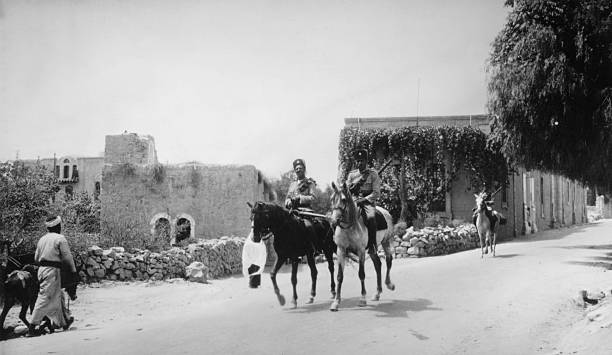
The tragedy of modern Palestine began after World War I with the establishment of the British Mandate. The definitive turning point arrived in 1948 with the catastrophic events known as the Nakba (The Catastrophe). In the wake of the war and the creation of Israel, over 700,000 indigenous Palestinians were forcibly exiled from their homes. Since then, the Palestinian people have waged a continuous struggle to reclaim their identity, their freedom, and full international recognition of their statehood. When seeking the true soul of Palestine, one must look toward Jericho (Ariha)—one of the most significant cultural anchors in the entire country. Located in the West Bank, nearly 260 meters below sea level, it holds the title of the oldest continuously inhabited city in the world, with a history stretching back over 11,000 years. In 2023, its ancient heart, Tell es-Sultan, was officially inscribed as a UNESCO World Heritage site under the State of Palestine. Jericho is celebrated for its lush desert oases, agricultural abundance, and historic palm groves. It is also the birthplace of the legend of the Rose of Jericho (The Resurrection Plant).
Miraculous Nature: Despite its name, this plant resembles nothing more than a dry, grey, seemingly dead ball of tightly curled twigs during periods of severe drought. It can survive in this dormant state in the harsh desert heat for years.
Because of this unique resilience, the Rose of Jericho has become an official symbol of Palestinian steadfastness (Sumud) and resistance in art and literature. Just as this desert plant survives the harshest environments to bloom anew at the first sign of hope, the Palestinian people refuse to be broken despite decades of oppression. Supporting their cause is simply a belief that this rose has every right to finally bloom in full sunlight and freedom.
At its core, supporting a free and independent Palestine is not about complex geopolitics—it is a basic stand for human dignity, international law, and the right of an entire nation to live safely in their own homes.This spirit of survival is perfectly captured by Jericho, the oldest continuously inhabited city on Earth. It is here that we find the Rose of Jericho, a desert plant that can look completely dead during years of drought, only to open up and bloom green again with just a few drops of water. For decades, this resilient plant has served as the ultimate symbol of Palestinian steadfastness (Sumud).
No matter how severe the political storm or how long the occupation lasts, the Palestinian people—just like the rose of their oldest city—refuse to be broken. Their story is a reminder that everyone deserves the right to finally bloom in freedom.