Share
Band T-shirts were once a symbol of rebellion, a passport to the artistic underground, and the most authentic expression of loyalty to creators. Today, the cotton tees (There are even some that aren’t made of cotton but polyester, and they cost the same price!) featuring band logos that we proudly wear on the streets of fashion capitals have found themselves at the center of a major market and cultural debate. Something that was born as a brilliant tool for visual promotion and a natural bond for unique communities must now face both structural limitations and a crisis of visual identity.
Authentic medium for a message in the world
It all started decades ago, when music culture needed its physical manifesto. Band T-shirts were not created in the sterile offices of marketing agencies, but directly from the hearts of listeners and the creativity of independent promoters. In the 1960s and 1970s, legendary rock bands perfectly understood that the human body is the best and most authentic medium for a message in the world. Iconic graphics, originally designed as album covers, quickly left the confines of record sleeves and permanently entered the canon of streetwear.
From the very beginning, merch had one key task: to promote creativity and build a community. Putting on a shirt of your favorite band acted like a unique cultural code. It instantly identified you in a crowd as someone who shared the same artistic sensibility. For the creators themselves—especially those spreading their wings at the beginning of their journey—profits from selling original apparel during concert tours were the main source of funding for subsequent projects and allowed for complete creative independence
As concert apparel entered mainstream retail chains, a specific dispute erupted online and on the streets. A segment of orthodox fans began to loudly voice the belief that only people who can recite an artist’s discography have the right to wear clothes with their logo. The infamous, condescending question “name three songs”—thrown at anyone wearing a T-shirt with a Nirvana, Metallica, or Ramones motif—has become a symbol of so-called gatekeeping
This approach is extremely restrictive and contradicts the idea of freedom that fashion carries. Cutting people off from a musical aesthetic just because they bought a T-shirt for its visual appeal builds unnecessary walls. Fashion has always fed on pop culture references. Someone who reaches for a piece of clothing with a band’s graphic today because they love its style might, out of curiosity, play their album tomorrow and become a devoted listener. Treating merch as a closed club for the elite deprives music of the chance to reach completely new audiences.
The Twilight of the Avant-Garde: How Concert Designs Lost Their Soul
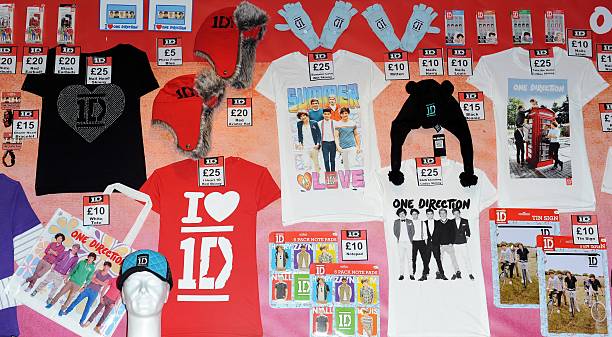
Today, aesthetic courage has been replaced by safe, boring formulas. Browsing the merch stands at stadiums, it is hard to shake the impression that most clothes are made according to a single, repetitive template: a simple, square photo from a promotional shoot pasted in the middle of the chest, the tour name written in a bland font on the back, and a list of cities stretched below. Unique textures, custom illustrations, and experiments with form or cuts have vanished. This omnipresent predictability makes artistic apparel lose its former, magnetic character. When designs become derivative, merch stops interesting people who value authentic style, turning into nothing more than a mundane, mass-produced souvenir
This visual crisis overlaps with entirely new economic challenges facing the modern market. Current logistical and commission restrictions imposed on organizers and musicians by large concert arenas are becoming the subject of heated debates. Introducing high fees just for the opportunity to set up a stand with one’s own products inside the venues significantly impacts the final prices of clothing, which further discourages artists from investing in more expensive, technically complex graphic designs.
For many independent creators, who rely on physical products for their stability in the digital age, such rules are incredibly difficult to bear. It leads to situations where recognizable brands opt out of offering dedicated tour collections because operational costs outweigh potential profits. Restricting the free availability of official products in the name of restrictive venue regulations hinders the development of independent entrepreneurship and kills the remnants of design independence.
Aesthetics, Fandom, and Visual Identity
This economic and creative pressure hits directly at the most beautiful aspect of culture—fandoms and their unique visual identity. Modern fan communities treat official clothing collections as an element of personal expression. It is a contemporary form of belonging and an aesthetic language through which we communicate with our surroundings. Fashion and music have always been inseparable, and a branded T-shirt is often the most important souvenir from an event that defines our memories.
When market restrictions drive clothing prices to exorbitant heights, and design becomes repetitive and devoid of passion, this unique, emotional bond weakens. Artistic apparel loses its organic character, becoming an exclusively commercial product. For concert fashion to keep living on the streets, provoking and inspiring future generations of designers, the market must strike a balance between pure profit and room for bold, uncompromising art<