Why the New Selena Gomez and Demi Lovato Campaign is a Step Backward: When Nostalgia Turns to Fatigue

Pop culture loves a comeback, and marketers love them even more. However, there is a very fine line between paying a beautiful tribute to the past and cynically exploiting the feelings of fans. The latest Rare Beauty campaign featuring Selena Gomez and Demi Lovato serves as a textbook example of how blindly relying on nostalgia can backfire, triggering consumer fatigue rather than the expected excitement.
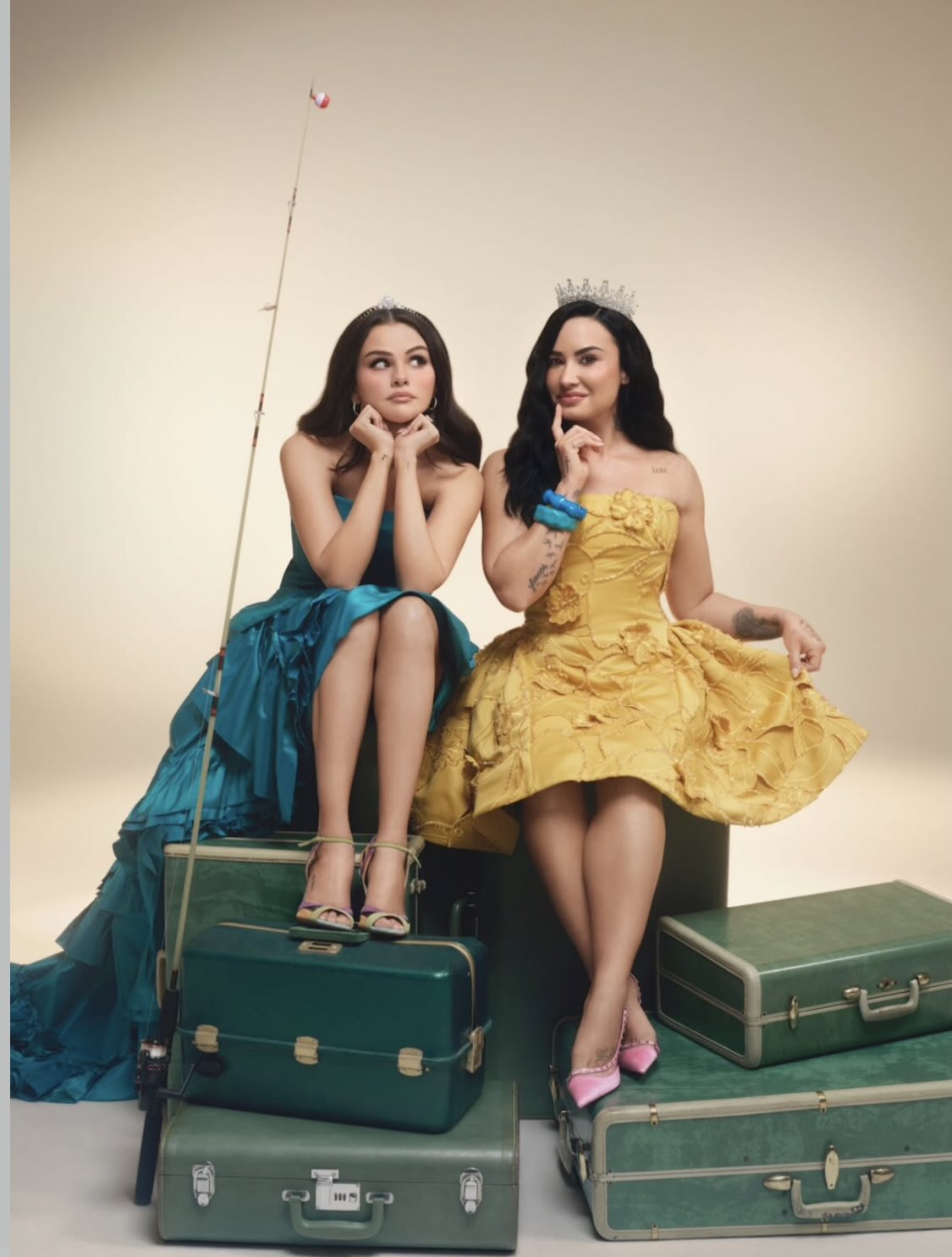
When the first teasers for this project dropped, social media went into a frenzy. Two icons of a generation raised on Disney Channel were sharing the spotlight once again, this time promoting a special, limited-edition collection for Selena’s highly successful cosmetics brand. For many Millennials and Gen Zers, it sounded like a childhood dream come true. However, as the initial excitement faded and the actual promotional materials saw the light of day, the warm feeling of nostalgia was quickly replaced by a cold reality. Here is why the project simply falls flat.
Forced Return to a Past That is Long Gone
The fundamental issue with this campaign is its glaring lack of authenticity. The relationship between Selena Gomez and Demi Lovato has been a subject of public scrutiny for years, marked by highly publicized ups, downs, and long stretches of absolute radio silence. A sudden reunion after all this time—perfectly synchronized with the launch of a new commercial venture—comes across as a calculated business move rather than a genuine rekindling of childhood friendship. Modern consumers, raised in the era of social media, have developed a sharp eye for corporate insincerity. They can easily tell the difference between real, organic chemistry and a carefully scripted marketing ploy.
The campaign aggressively tries to evoke the era of Princess Protection Program or their late-2000s duets, completely ignoring the massive evolution both artists have undergone since. Both Selena and Demi have built powerful, independent personal brands, navigating severe health and personal struggles right in front of the global public. Forcing them back into the aesthetic of “wholesome teenage stars next door” feels like an artistic regression. It simply does not align with who they are today as mature, accomplished women and artists.
The Dilution of Rare Beauty's Core Message
What makes this collaboration particularly disappointing is how much it clashes with the established identity of Rare Beauty. Since its launch, the brand has successfully positioned itself as a champion of mental health, self-acceptance, and modern individuality. Its message has always been about embracing who you are today, breaking free from unrealistic standards, and looking forward.
By anchoring this new collection so heavily on childhood nostalgia and a heavily staged Disney-era reunion, the brand completely contradicts its own philosophy. Instead of celebrating growth and the present self, it relies on a regressive marketing trick that looks backward. It feels less like a organic expansion of Rare Beauty’s values and more like a standard corporate cash-grab, diluting the very authenticity that made the brand a massive success in the first place.
The Nostalgia Trip
Nostalgia has become the easiest currency to spend in modern marketing. We are currently witnessing an overwhelming revival of the 90s and Y2K eras—spanning everything from fashion and music to reboots of classic television shows. But as the saying goes, you can have too much of a good thing. The market has become so deeply saturated with projects operating on the sole premise of “remember how great things were 15 years ago?” that consumers are beginning to push back.
This new Rare Beauty project fails to offer any actual substance or new value. The collection itself does not stand on its own with innovative formulas, an exciting new aesthetic, or a fresh message. Instead, it relies entirely on the assumption that their names and past association are enough to automatically open consumers’ wallets. Rather than pushing boundaries or setting new trends in the beauty industry, the project drags us back to a time and style that the audience has long outgrown.
Sentiment Backfires
When a brand attempts to monetize our teenage memories and the carefree days of our youth, it steps onto incredibly thin ice. For many, those childhood memories are deeply personal, almost sacred. Seeing them reduced to a mere tool for boosting corporate sales figures naturally triggers a defensive reaction. The audience quickly senses the underlying manipulation, and their affection for the artists turns into irritation toward the campaign itself.
To make matters worse, anchoring a campaign entirely on sentiment creates unrealistic expectations. The promise of a historic reunion sends fan imagination running wild. When the final product turns out to be nothing more than a standard, sterile corporate advertisement for lip oils and blushes, the disappointment is doubled. It leaves a bitter taste and a sense of anticlimax that ultimately does more harm than good to the public image of both stars and the brand.
I think that nostalgia can be a beautiful tool in pop culture, but only when used as a subtle seasoning, never as the main course. The Selena and Demi campaign for Rare Beauty is a painful reminder that sometimes, it is best to let the past remain in the past. Instead of endlessly reviving old formats for market gain, it is time for creators to focus on building something entirely new—something that defines our present and can stand on its own merits for years to come.