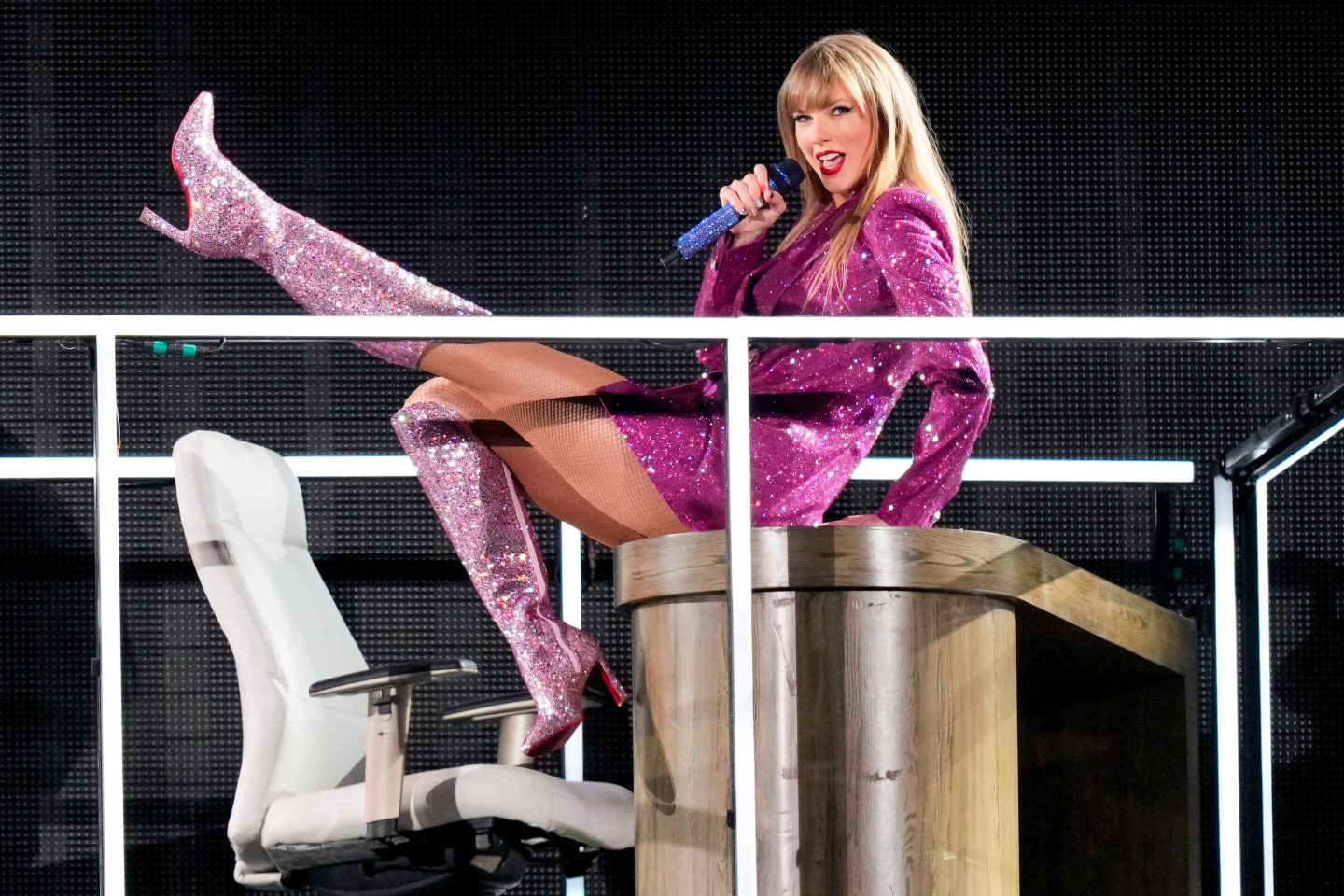
There is a distinct, heavy kind of exhaustion that settles over the world whenever a voice becomes too loud for the room to hold. We felt the ground shake during the heights of Beatlemania; we watched the world tilt on its axis during the peak of Jacksonian pop. But today, we are drowning in a different kind of flood. The endless, spinning wheel of words surrounding Taylor Swift has crossed a quiet line. Fueled by a toxic mixture of algorithmic anger and bitter, back-row tribalism, the conversation has stopped being about the music altogether. It has built itself into a monument of absolute absurdity.
To look at the comment sections and the morning papers today is to watch a crowd obsessed with a game where nobody is allowed to win. She isn’t permitted to just be a person who sits at a piano and writes down her life; she must either be crowned a savior in a stained-glass window or painted as a corporate shadow stealing the warmth from “real” art. The machine we use to compare human beings has finally broken under the weight of its own impossible math.
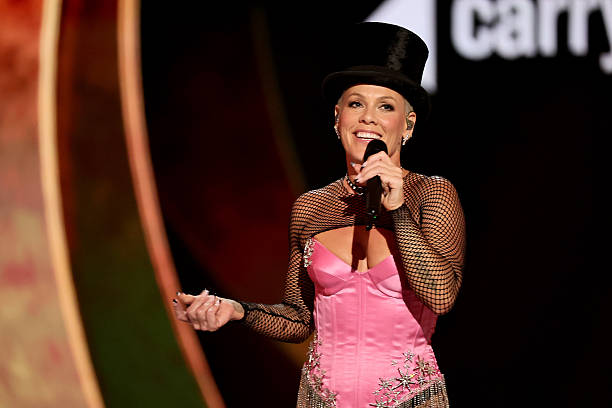
You see it every time another artist steps into the light with a beautiful, avant-garde record. Instead of just holding up that achievement like a trophy in the sun, the internet turns it into a weapon. The room instantly grows cold as the whispers pivot, claiming this new music somehow “exposes” her limitations. But when she changes her own stripes—like when she stepped into the quiet, wooden woods of indie-pop during the lonely months of the pandemic—the very same critics stand at the border, accusing her of trespassing on land that isn’t hers to walk.
Art is mirror
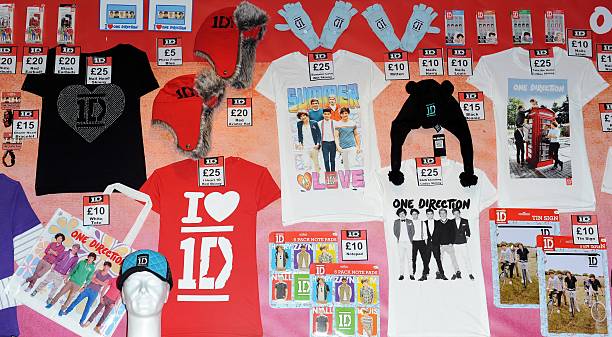
That is where the cruelty becomes truly dizzying: the sheer anger aimed at her just for standing in the marketplace. When she uses the standard tools of the trade—releasing different colors of the same vinyl or weaving old, familiar melodies into new songs to bridge the gap between generations—she is uniquely villainized. A male rock band or a trendy indie darling can pull the strings of savvy marketing and be called geniuses for their clever nods. But when she does it, the story changes. She is painted as cold, calculated, and monopolizing. The double standards aren’t just quiet undercurrents anymore; they are the loudest instruments in the orchestra.
It is entirely fair to look at art and say it isn’t for you. Art is a mirror, and no one is immune to a bad review or a broken promise of a marketing campaign. Her staggering wealth, the footprints she leaves on the earth, and the fierce, protective walls her fanbase builds are all real things worth talking about. But the relentless, sharp-edged insults, the arguments made in dark rooms of bad faith, and the desperate need to measure every heartbeat of the music industry against her scoreboard have become a collective delusion.
empty theater
The world needs to take a long, deep breath. This level of dominance is a historical anomaly, a lightning strike that doesn’t happen twice. But treating her career as the only yardstick to either praise or punish every other person trying to sing their truth is ruining the magic of how we listen. By turning artistic expression into a bitter, endless battlefield, the critics and the cynics haven’t just missed the melody—they’ve left themselves standing in an empty theater, looking completely ridiculous.